
Why Every Parent Should Introduce Their Child to at Least One Sport — Building Discipline for Life
Introducing your child to sport builds more than fitness—it cultivates discipline, resilience, and teamwork. From handling wins and losses to managing routines and emotions, sport becomes a life classroom. This blog explores how even one sport can shape character and set the foundation for lifelong success.
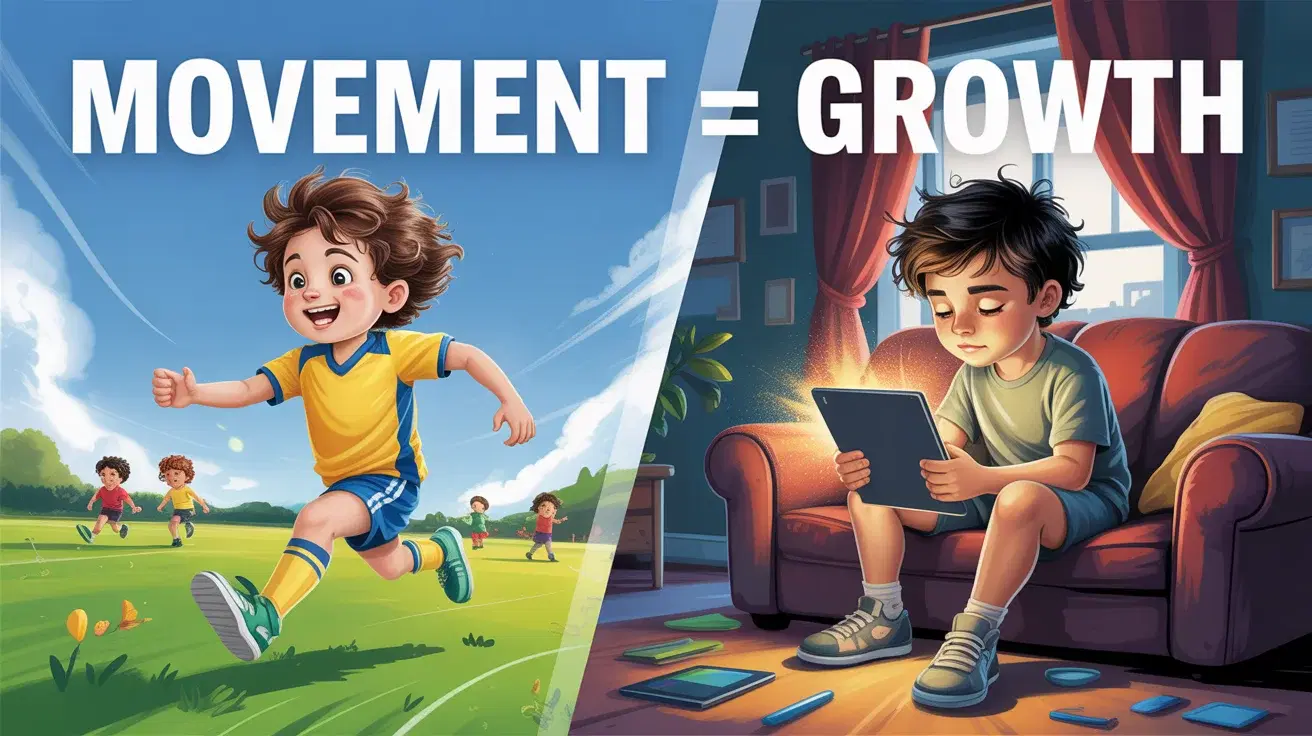
In our fast-moving, screen-filled world, one of the greatest gifts a parent can give their child isn’t the latest gadget, but a simple invitation: “Let’s try a sport together.” When children are introduced to organised sport, even just one, it offers much more than physical health. It lays down a foundation of discipline, responsibility, teamwork and resilience that lasts a lifetime. This blog explores why every parent should consider that step, how sport builds these life skills, what to look out for, and how to make it a positive, meaningful part of your child’s development.
The Foundation – Why Early Sports Exposure Matters
When a child begins participating in a sport—say football, swimming, tennis, martial arts or athletics—something amazing happens. Beyond simply running, kicking or hitting a ball, they start absorbing lessons about structure, commitment and self-regulation.
Physical, cognitive and social benefits
From the physical side: children who engage in sports develop stronger muscles, bones and coordination, and are less likely to remain sedentary. For example, according to one Australian health resource:
“Physical activity can … help your child grow and build strong bones and muscles … lower your child’s risk of chronic diseases such as heart disease and type 2 diabetes.”
They also develop better movement control, balance and agility, which translate into greater confidence and physical literacy.
From the cognitive & emotional side: organised sport helps children learn how to cope with winning and losing, how to collaborate with others, how to persist when things get difficult. As one article summarises:
“Organised sport has many physical, developmental, psychological and social benefits for children. … Playing sport can also help children build resilience and have improved mental health.”
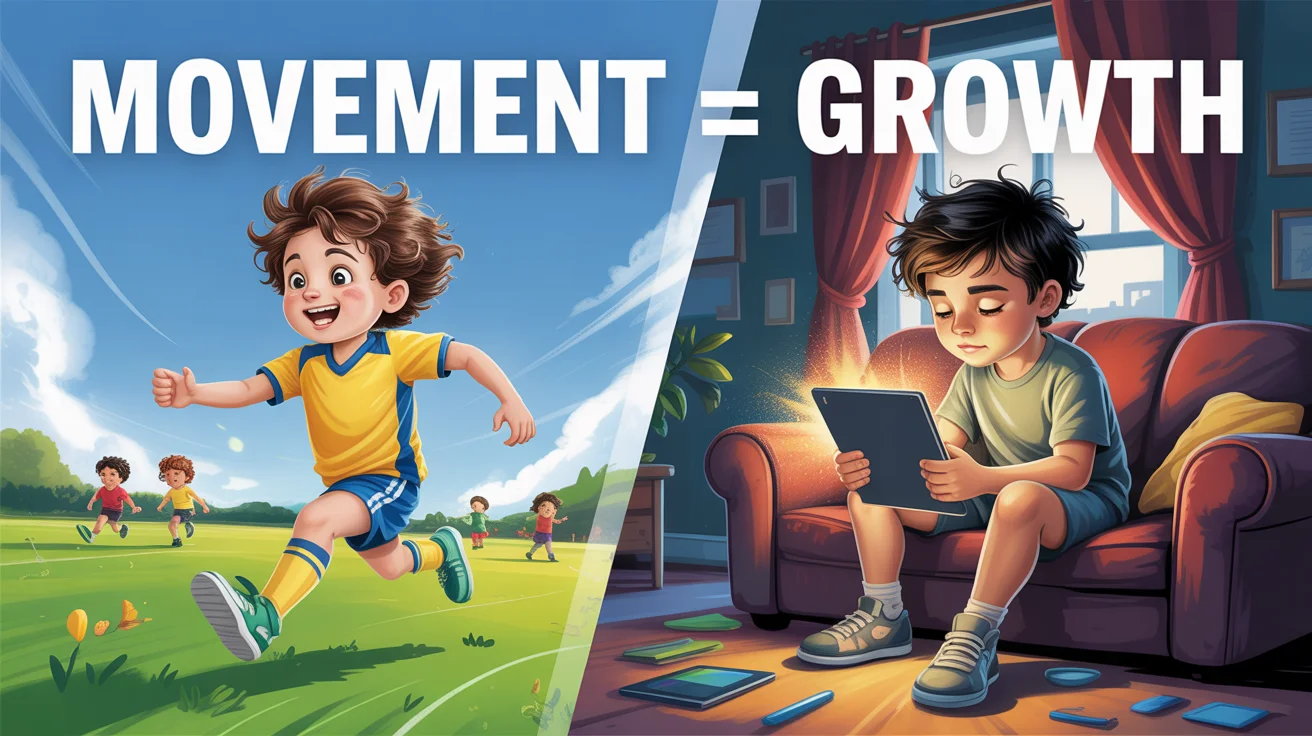
Why discipline begins on the field
Discipline isn’t just doing what you're told—it’s doing it when no one’s watching, when you don’t feel like it, when you’re tired or frustrated. Sport teaches this in a tangible way: you show up for practice, you warm up, you follow instructions, you train when you’d rather lounge. For example,:
“Children learn to show up on time, follow instructions, stick to a routine, train even when they’re tired.”
So by getting involved early in sport, a child begins to internalise the habits of discipline. This becomes not just about sport, but about life.
Early Sports Participation vs No Sports Participation (Children aged approx 5-12)
| Dimension | Children Participating in Sport | Children Without Regular Sport |
| Physical Health & Fitness | Better muscle strength, coordination, bone health, stamina | Higher risk of sedentary behaviour, weaker coordination |
| Attention & Self-Control | Develop focus, ability to follow structured tasks | More prone to distraction, less accustomed to structured routine |
| Social Skills & Teamwork | Regular interaction with peers, team roles, shared goals | Fewer peer-team experiences, more isolated activity |
| Handling Failure & Upsets | Learn to lose, recover, improve through repeated effort | Less practice with setback, may avoid challenge |
| Academic/Time-Management Skills | Balance school + sport leads to better scheduling skills | May struggle with prioritisation or procrastination |
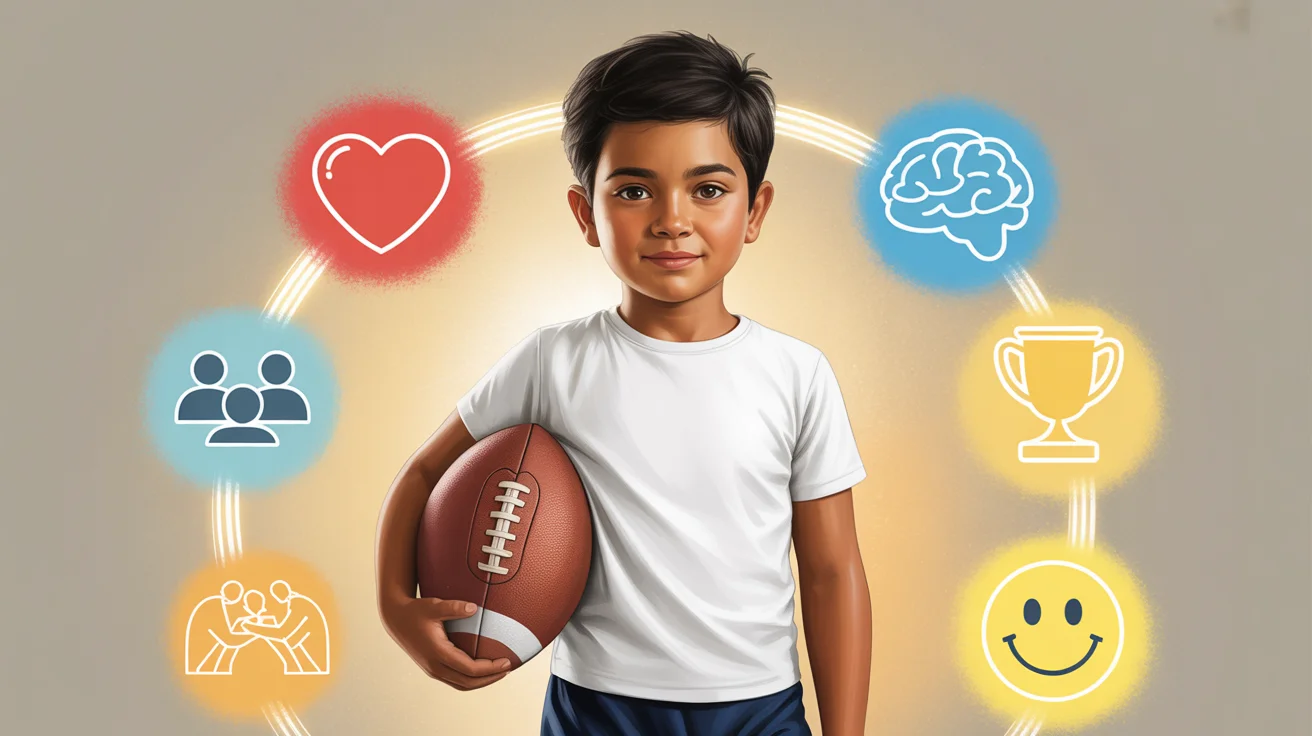
The contrast is clear: children who engage in sport tend to pick up a range of beneficial habits beyond mere fitness.
Sports as a Life Classroom — Lessons Beyond the Field
When your child practices sport, they’re not just doing drills—they’re learning life. Let’s unpack some of the major non-physical lessons.
Accountability & delayed gratification
In sport, you can’t fudge your role. If you miss defending your space, or skip practice, your team or your own progress suffers. This builds accountability: you own your actions and their consequences. As noted:
“When you are on a team, everyone has a role.… It is about learning from mistakes, improving, and accountability for everyone on the team.”
Similarly, delayed gratification: you don’t get good simply because you show up once. Improvement comes over time with consistent effort. A supportive article emphasises:
“Children learn … that it can take a lot of practice to improve different skills.”
Handling wins, losses, setbacks
Victory can feel great. Loss, even more, teaches. It teaches humility, resilience, emotional regulation. One resource says:
“While your child plays sport, sometimes they will win, and other times they will lose. Being a good loser takes maturity and practice.”
Through sport you can teach a child that failure doesn’t define them—it refines them.
Teamwork, leadership and empathy
Whether team or individual sport, there is interaction: understanding roles, helping peers, being a good teammate. One article puts it succinctly:
“Playing in a team helps children to develop many of the social skills… cooperation, being considerate and less selfish.”
And from another piece:
“Sports teach children valuable life skills like teamwork, communication, and leadership.”
So the field becomes a training ground for belonging, for social responsibility, for stepping into roles.
Building Discipline Through Routine and Practice
Discipline grows not from intention alone, but from habits. Sport offers a structured environment in which habit formation becomes natural.
The rhythm of routine
Think: practices scheduled weekly, warm-ups done, drills followed, feedback given, goals set. These routines mirror the routines of life (homework, chores, sleep, responsibilities).
“Through consistent practice, teamwork, and learning to handle both wins and losses, kids develop self-discipline, sharp focus, and mental resilience.”
Regular attendance, punctuality, readiness: these become part of character, not just sport.
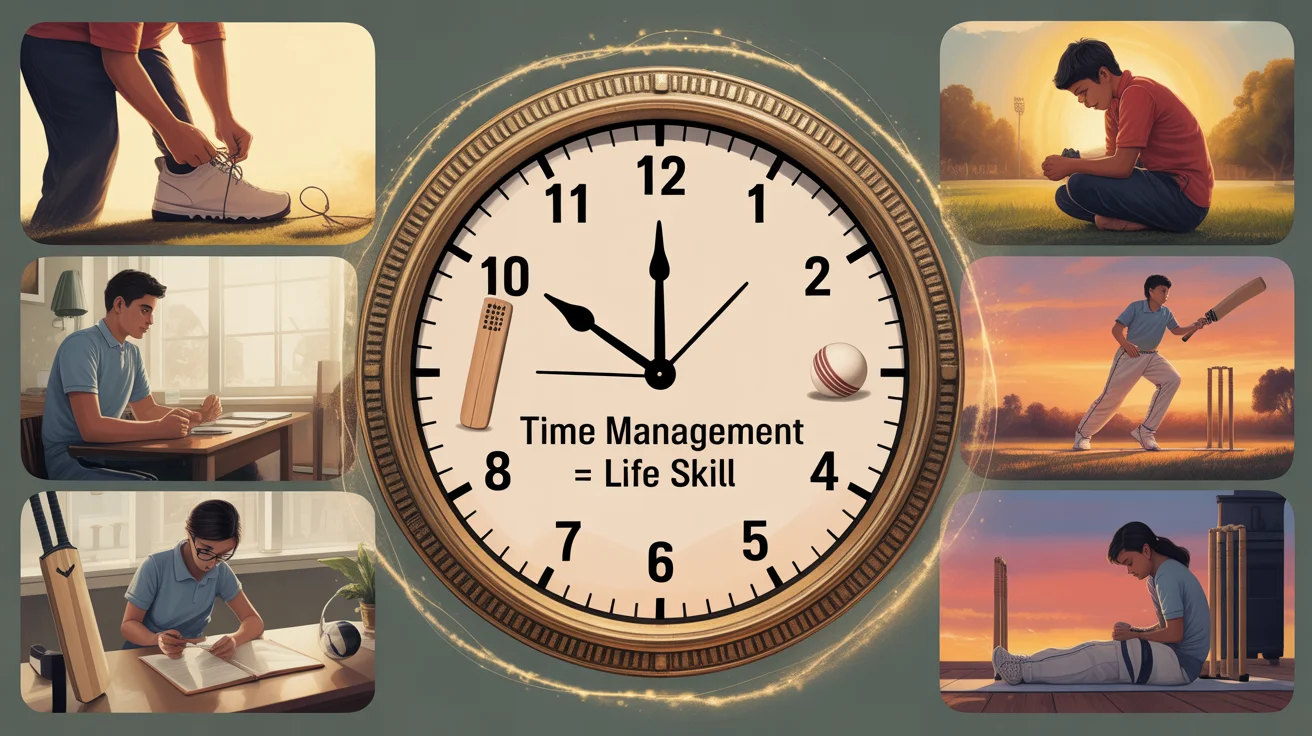
Time-management and prioritisation
When your child has school, homework, perhaps music or dance, plus sport, they learn to allocate time. They learn that to improve they must manage the clock.
“Balancing academics and sports teaches the value of time management.”
This skill is key in later life—be it study, career or personal goals.
Emotional discipline – focus under pressure
Templates in sport: you’re down by a goal, you’re tired, you’re missing skill, you’ve got to still turn up and perform. These stress-points teach emotional self-control. You learn to maintain your routine, push when it’s hard, stay consistent. Discipline becomes not just physical but mental.
The role of the parent and coach
Parents and coaches are the scaffold: they set expectations, reinforce habits, celebrate effort not just outcome. According to the Australian health page:
“You can help make sport a positive experience … focus on their enjoyment and effort, rather than on winning or losing.”
Hence, the right approach matters: encourage the habit, the practice, the process—not just the medal.
Psychological & Emotional Benefits of Sports in Childhood
Discipline and routine are one side. The emotional and psychological side is equally profound.
Improved mental health & self-esteem
Numerous studies reveal that sport participation supports children’s emotional wellbeing. From the U.S. report:
“Participating in youth sports is associated with lower rates of anxiety and depression … higher self-esteem and confidence.”
From the Australian health resource:
“Sport can help build your child’s self-esteem. … Your child can feel valued … encouragement from their coach or peers.”
Social inclusion & sense of belonging
Sport gives children peer groups, collective goals, team identity. This sense of belonging matters.
“Sport also gives children a sense of belonging. It helps them make new friends and builds their social circle outside of school.”
When a child feels included, supported, valued for effort—not just outcome—their emotional health flourishes.
Resilience & coping with setbacks
Sport offers built-in adversity: you lose a match, you don’t perform in a drill, you feel pain or frustration. Learning to bounce back is real training for life.
“Children learn to fail, learn, and try again. This builds mental strength and emotional maturity.”
Resilience isn’t just bouncing back—it’s growing through the challenge.
Lifelong habits and well-being
Children who begin sport early often carry the habit of movement and discipline into adulthood. One report notes:
“73 percent of adults who play sports participated when they were younger.”
So sport doesn’t just serve childhood—it plants the seed of lifelong physical and emotional health.
The Age-Wise Breakdown — Choosing the Right Sport
Introducing a child to sport doesn’t mean heavy competition or early specialising. It means choosing age-appropriate activities, emphasising fun, learning and gradual growth.
| Age Group | Typical Recommended Sports | Key Skills Developed |
| 3–5 years | Basic movement games, playful swimming, mini gymnastics | Motor coordination, basic balance, body awareness |
| 5–10 years | Football, badminton, athletics, team games | Teamplay, coordination, basic technical skills |
| 10–15 years | Cricket, tennis, basketball, athletics events | Strategic thinking, endurance, role understanding |
| 15+ years | More structured sport or multi-sport involvement | Leadership, self-driven training, competitive mindset |
It’s important to note: early specialisation (focusing on one sport intensely at a very young age) can bring risks: burnout, overuse injuries, loss of enjoyment.
So the aim should be introduction and exploration, not pressure for elite performance.
The Discipline Loop — How Sport Influences Academics & Careers
Interestingly, the skills cultivated through sport reverberate into schooling, future employment and adult behaviour.
Time management and school performance
When a child must manage homework + practice, they learn scheduling, prioritisation. Studies indicate sports-involved children often have better academic performance, because they develop habits of focus, structure and self-control.
Work-ethic, perseverance, grit
The traits you build by showing up day-in, day-out for practice are the same traits employers value: reliability, consistency, focus, ability to handle tasks even when not fun.
“Kids involved in youth sports are more likely to succeed in the classroom and the working world. Sports teach … time management, discipline.”
Leadership and social responsibility
Team sport often involves roles: captain, setting up drills, supporting teammates. These build leadership. Empathy, communication, cooperation—all emerge from sport and are applicable far beyond.
“Participation in youth sports correlates with lower rates of anxiety, depression, and stress and boosts self-confidence.”
So the “discipline loop” is: sport → habits of discipline & routine → academic and personal success → career and life readiness.
Real-Life Inspirations — Children & Champions Who Started Early
There are countless professional athletes who credit their early sport exposure with building their character. While not every child will become a national champion, the value lies in how they played, what they learned.
While the headline talks about athletic performance, the underlying theme is character. You may think: “But my child may not play for India or win medals.” The point is: the ways of being that sport cultivates—responsibility, consistency, resilience—are universal.
The Parent’s Role — Encouragement Without Pressure
As a parent who wants to introduce their child to sport, you have a pivotal role. It’s not just about enrolment—it’s about how you support the process.
Create a positive environment
Focus on enjoyment, growth, effort. The Australian health article emphasises:
“Focus on their enjoyment and effort, rather than on winning or losing.”
Encourage your child when they practise, celebrate the small wins (“you arrived on time!”, “you stuck with the warm-up!”), not just the match results.
Pick the right experience
Ensure the coach, the club or the training environment emphasises character, not just winning.
“Choosing the right sports academy that teaches values … can help kids get bigger and stronger, both physically and mentally.”
Avoid environments that emphasise unrealistic performance or create undue pressure on the child.
Support consistency and routines
Help your child build the habit: transport to practice, making sure equipment is ready, supporting their time management. The routine is as important as the sport.
Avoid over-specialisation and burnout
Ensure that the sport remains a source of joy and growth, not stress. Early specialising in one sport at high intensity can lead to injury or burnout.
Keep open the possibility of multiple sports, fun, discovery.
Maintain balance
Sport should complement life, not dominate it. School, friends, rest, family time—all matter. Encourage your child to value rest and recovery as much as practice.
Overcoming Common Barriers & Myths
Some parents hesitate. Let’s address common obstacles.
Myth: “My child is too young / too old”
It’s never too early to expose a child to movement, fun and basic sport activities. And it’s never too late either—adolescents can derive benefit too. The key: start in a way that’s appropriate and fun.
Barrier: “We don’t have time / resources”
Even simple sports (running, skipping rope, basic ball games) build discipline. You don’t need elite facilities—the aim is participation, habit, fun. According to research:
“Children of all ages can benefit from being physically active. Any physical activity — it does not need to be a structured sport.”
Fear: “What if they don’t like it / they’ll quit”
Let them explore. Choose a sport for general development rather than performance pressure. The emphasis should be on participation. Research shows that children who play sports regularly are more likely to remain physically active later in life.
Concern: “It might distract from academics”
Actually the opposite is often true. Sport can enhance academic performance by refining attention, discipline and time-management. The trick is good balance.
Practical Steps for Parents to Get Started
Here’s a practical, step-by-step approach:
Talk & Explore: With your child, talk about what sport they might enjoy. Visit a local club, watch a session together.
Choose a Good Fit: Look for coaches or clubs that emphasise values, process and fun. Avoid “win at all cost” environments.
Start Small & Fun: For younger children especially, the emphasis should be on movement, coordination, fun—not competition.
Set a Routine: Decide practice days, gear ready, transport planned. Talk about punctuality, preparation.
Celebrate Effort: Recognise when your child shows discipline: arriving early, practising, improving—even if not winning yet.
Monitor Well-being: Ensure they’re enjoying it; that the coach is positive; that balance is maintained (school, rest, other interests).
Be a Role Model: Children absorb behaviours around them. If you engage in sport or physical activity, they see the value.
Keep the Conversation Going: Ask how practice felt, what was fun, what was difficult. Encourage reflection: “What did you do well? What will you do next time?”
Re-evaluate and Adapt: If your child loses interest, talk about why. Try another sport. The aim is learning, not persistence in the wrong fit.
Connect Sport to Life: Help them see that the behaviour they practise in sport (punctuality, effort, handling frustration) re.
Conclusion – Raising Disciplined, Resilient Humans
Introducing your child to at least one sport is far more than giving them a hobby. It’s providing a developmental platform where they learn discipline, responsibility, focus, resilience, teamwork, and self-management. These are traits that no exam curriculum can teach as fully as the field of play can. When children step into sport, they don’t just wear sneakers or kit—they begin building character. They learn to show up even when they’re tired, to follow instructions when they’d rather wander, to recover when they lose and to aim when they win. They gradually internalise the habit of doing the right thing even when no one’s watching—a foundational aspect of discipline.
As a parent, your role is not to push relentlessly for trophies, but to invite, support and sustain. Help them find a sport they enjoy. Celebrate the process. Reinforce the values. Keep the balance and keep the joy alive. Because the greatest gift you give might not be the medal at the end—it might be the habit they develop for life.
So if you haven’t yet, consider enrolling your child in a sport today. It could be the start of a lifelong journey of discipline, resilience and purposeful living. And when they look back years from now, they’ll thank you—not just for the fun of the game, but for the character that the game helped build.
At Future Sportler, we make it easy for parents to discover verified academies, trusted coaches, and safe, growth-oriented training environments across multiple sports. Whether your child wants to learn a new skill, build confidence, or train for competition, Future Sportler connects you to the right ecosystem—one that focuses on discipline, learning, and joy above all else.
👉 Visit Future Sportler today to explore academies near you and start your child’s journey toward lifelong discipline through sport.
0 Comments
Tags
Want to read more?
Discover more insights and expert analysis on sports science, training methodologies, and performance optimization.
Explore All Blogs